

Abstract: This article examines 764 and the wider Com Network as a case study in remotely coerced violence and the hybridization of contemporary terrorist and violent extremist threats. It argues that nihilistic violent extremism is best understood as a victim-driven, youth-centered online ecosystem in which status, belonging, and identity are earned through the production, circulation, and escalation of harm. Drawing on case studies and an arrest dataset of 295 Com Network-linked offenders across 33 countries, this article shows how 764 and adjacent groups combine sadistic online exploitation, cybercrime, self-directed violence, animal abuse, school-violence threats, and terrorist or violent-extremist conduct. Ideological symbols drawn from neo-Nazism, occultism, and accelerationism are present, but usually function as aesthetic and performative resources rather than stable strategic commitments. This article cautions about the risks of mischaracterizing motivation, obscuring victim-perpetrator dynamics, and mistargeting interventions. The authors highlight that responses should integrate a systems approach of prevention and threat reduction that includes counterterrorism, child protection, online harm reduction, trauma-informed practice, and cross-jurisdictional cooperation to address the specific ecology of remotely coerced harm.
In the five years since Bradley Cadenhead founded 764, there has been a surge of media and scholarly reporting examining the nihilistic violent extremism (NVE) phenomenon. In part, this is related to a number of successful and foiled mass-casualty attacks1 and violent extremist actors2 who appear to be at least associated with the broader networks and subcultural spaces that intersect with Com Network groups such as 764, Maniac Murder Cult, and No Lives Matter (for example: Solomon Henderson,3 Jose Pagan,4 Arda Küçükyetim,5 etc.).6 The September 9, 2024, arrest of Dallas Humber7 and other core members of the Terrorgram Collective has also challenged understandings of contemporary violent extremism, with the emergence of the so-called “mixed, unstable, and unclear”8 or “salad-bar” ideologies.9 Recent debates around this ‘new’ form of violent extremism have often centered around the degree to which individuals and groups within online violent extremist networks adhere to a violent extremist ideology, with some researchers and analysts seeking to fit definitions of NVE into broader militant accelerationist categories.10 Previous research has revealed that so-described NVE groups appear to be influenced by these broader militant accelerationist and neo-Nazi occultist ideologies11 such as Order of Nine Angles (O9A),12 which the Government of New Zealand formally designated as a terrorist entity in December 2025, with 764 (and others) defined as “nexions” of the group—which in O9A parlance refers to local, clandestine cells or independent groups.13 The Government of Canada listed the 764 group as a terrorist entity in December 2025 as well.14 By designating these groups as terrorist entities, these governments have assessed that the specific listed groups pursue goals that meet their respective legal definitions of terrorism. The authors do not read those designations as extending automatically to all NVE actors or to the broader milieu.15
Terrorist designations are an important tool for law enforcement and serve as public markers to recognize and communicate the threat posed by such groups. Because they are tied to legal definitions of terrorism, such designations necessarily center on the political, religious, or ideological motivations those definitions require. Here, the authors complement that lens by focusing on additional dimensions of the threat and argue that nihilistic violent extremism is characterized by six key elements:
active participation in a specific online ecosystem (the edgesphere), organized around aesthetics, networked performance, and competitive identity work;
status and belonging earned through the production and circulation of harm (‘clout chasing’);
behavioral drivers of anomie, nihilism, and misanthropy;16
the hybridization of harms, including the centrality of sadistic online exploitation;
a limited or secondary role for ideology as a primary driver of mobilization;a and,
the absence of a coherent strategic end state.b
As a hybridized threat,17 nihilistic violent extremism presents as part sexual violence, self-directed violence, and coercive control;c part terrorism and violent extremism (with which it overlaps at the level of conduct and threshold, without being reducible to ideological terrorism); part school-safety and school violence; part extreme violence and animal abuse; and part cybercrime and organized cyber-harassment, whose potency lies in its agility and absence of a limiting ideology. Contrary to some understandings, the authors argue that nihilistic violent extremists are individuals and/or networks that actively encourage, promote, glorify, or engage in serious acts of violence and/or criminality with no specific end goal aside from the misanthropic aim of causing harm, chaos, and fear.18 Although the authors use NVE as an umbrella, the population it covers is not homogeneous, and assigning a single motive to it obscures more than it reveals.
Adapting the role typologies developed for jihadi and right-wing milieus by Nesser and by Bjorgo,19 the authors distinguish at least four recurring roles: (1) leaders and senior coercive operators, who found groups, set norms, and direct or commission harm (for example, Cadenhead and Chai); (2) influencers and propagandists, who produce and brand content and incite others (for example, Finnigan); (3) groomers and extorters, who cultivate and coerce victims; and (4) directed followers, frequently minors, who carry out coerced or incentivized acts (for example, the Swedish offenders). These roles are fluid; individuals move between them, and a single actor may occupy several at once. They differ from classic terrorist roles in that status flows from documented harm rather than doctrinal commitment, and in the routine overlap between perpetrator and victim. Where statements in this article refer to motivation or ideology, they should be read as applying differentially across these roles.
What is Nihilistic Violent Extremism?
Among those at the core of this threat environment lies a deep-seated sense of anomie.20 Individuals appear to characterize contemporary existence as broadly futile; they lack purpose and appear to experience emotional emptiness and despair. This anomie stems from an unstable social system, the breakdown of normative standards and values, and a lack of collective purpose or ideals at both the individual and community levels. These ‘anomic’ conditions are intensified in digital environments where many chronically online youths who experience loneliness,21 alienation, identity instability, social fragmentation, and weakened attachment to pro-social institutions in the offline world are immersed in networked digital subcultures that reward irony, transgression, and ever-escalating displays of anti-social behavior and harm. For those experiencing such anomic conditions, striving is considered useless, because there is no accepted definition of what is desirable.22
Anomie is further accompanied by an ingrained nihilistic orientation and driven by a misanthropic outlook that fuels a desire to destroy society, not reform it. This is not to say that ideology is completely absent, but that it does not appear to be a primary driver of the violence. Through the observation of online NVE subcultures and the detailed examination of court documents from cases of known NVEs, the authors have identified that ideology plays a secondary or tertiary role in shaping behavior. These conditions do not emerge in an ideological vacuum; they draw on fragments of pre-existing extremist traditions, most notably neo-Nazi accelerationism, the Order of Nine Angles, maniac culture and Saints Culture, and the celebration of mass-casualty perpetrators. In the authors’ assessment, these traditions function less as a belief system adopted wholesale than as archives of transgression, elitism, occultism, and anti-humanism on which actors draw selectively. Instead, ideology acts more as a justification for violence and other criminal activity that is primarily driven by clout-seekingd and individual grievances.23 Taken together, these anomic and nihilistic orientations result in a bricolage of influences and ecosystems that collapses traditional moral and epistemic boundaries in order to justify violence as an end in itself.
NVE did not emerge in isolation; rather, it formed out of a transnational virtual network known as the edgesphere. The edgesphere24 is composed of an ecosystem of online subcultures, fandoms, and digital communities that normalize, celebrate, and commodify violence, trauma, and sadism. Between 2018 and 2020, the edgesphere emerged on the fringes of the most extreme communities of chronically online youth.25 The term edgesphere captures a broader ecosystem rather than any single group or platform, and is characterized by its fluid boundaries, the rapid formation and dissolution of constituent communities, and the progressive normalization of transgressive and harmful behavior among network participants. These milieus frequently overlap with designated violent extremist and terrorist networks, functioning both as radicalization pathways into NVE networks (like The Com) and as operational environments that drive victimization.e
Status and belonging are conferred through the ability of individuals to shock, transgress, and escalate harm. This is most often observed through the curation of grotesque, violent, or otherwise transgressive visual content and videos with a recognizable style. Visual aesthetics are a foundational aspect of NVE communities, serving as a primary medium of identity and belonging. In NVE spaces, identity is performed through engaging in and sharing violent acts, thereby portraying a ‘transgressive’ and ‘deviant’ character to peers. This results in the blurring of the boundaries between play, spectacle, and extremism in these online spaces. Representing oneself as a violent extremist actor and engaging with known terrorist/extremist ideologies (such as militant accelerationism) and content are not signs of ideological beliefs, but due to their symbolic function of asserting power and eliciting fear. In other words, while extremist ideologies are present in NVE networks, they are typically not the primary mobilizing factor for violence and other criminal behaviors.f
As a hybridized threat, NVE manifests as conduct that includes sub-criminal, criminal, and national security threats.g Critically, this is a victim-driven space, not a doctrinally driven one: what organizes activity is who is targeted and how harm is produced and displayed, rather than any shared ideological doctrine. As discussed above, participation is shaped less by coherent ideological drivers than by aesthetics, fandoms, subcultures, and a pervasive sense of anomie and misanthropy. Rather than confronting nihilism’s philosophical challenge as a question of how one may create their own values in the absence of a shared sense of meaning, NVE collapses it into a justification for cruelty, domination, destruction, with the primary goal of gaining social currency in online networks. NVEs systematically targeted vulnerable individuals by grooming, extorting, coercing, and otherwise compelling them through force, or the threat of force, to engage demands that include, but are not limited to: online and in-person sexual acts, sextortion, sexual exploitation of siblings, self-harm, suicide,26 harm to animals, threats of physical violence, murder, and mass casualty attacks. Individuals active in NVE networks must then capture and disseminate digital media as evidence of these acts to maintain access to these spaces, spread fear and chaos among their targets, gain notoriety in the network, and inspire others to engage in their own acts of violence and criminality.
The Com Network and 764
What is The Com Network?
Within the edgesphere is the transnational virtual network called “The Community,” or The Com Network27 for short. The Com Network functions as a central operational environment for a number of groups including but not limited to 764, No Lives Matter, and Maniac Murder Cult.28 An important distinction is that The Com Network and its constituent groups are not interchangeable terms;29 they are distinct entitiesh with their own threat vectors, tactics, leadership structures, membership requirements,i and documented harms.j Groups such as 764, No Lives Matter, and Maniac Murder Cult exemplify the network’s most visible and dangerous elements, blending criminality with terrorist and extremist violence and fostering a competitive environment that escalates harm and undermines public safety. Using these terms interchangeably risks mischaracterizing the scope and nature of the NVE threat. Members in The Com Network30 may simultaneously belong to multiple groups, and individual actors may operate or lead several groups concurrently.
The Com Network is organized around three primary pillars of criminal activity: cybercrime,k sadistic online extortion,l and offline violence.m There is significant fluidity between these pillars, and individuals often participate in multiple simultaneously, wherein criminal services are regularly exchanged across pillars in furtherance of shared objectives.n The Com Network thrives on a culture of ‘clout chasing,’ where notoriety and influence are earned through increasingly extreme acts. Unlike traditional extremist organizations, participation is driven less by ideology and more by the pursuit of recognition, status, and belonging through transgression.o
What is 764?
764p is an online group founded in 2020 by then 15-year-old Texan Bradley Cadenhead (also known as “Brad764”) who named the group after his zip code. The group emerged from a previous group called CVLT31 (pronounced ‘cult’) and Greggy’s Cult.32 764 exists as a community within The Com Network, whose leaders and influencers seek to create agents of chaos who will mobilize adherents to carry out criminal, violent extremist, and terroristic acts on behalf of the group in order to increase the group’s status within the milieu. Through the data they have unearthed in the open source, the authors assess that the 764 Network is comprised of a range of public and private online groups/chats that primarily target vulnerable youth (aged on average between 8 and 17 years).q 764 also recruits members and victims from games with a primarily minor user base such as Roblox and Minecraft,33 which are popular among 8- to 13-year-olds. They also focus on individuals from the 2SLGBTQIA+ community, individuals struggling with mental health issues (e.g., suicidal ideations or depression), disordered eating and self-harm communities,r as well as gore34 and extreme violence communities.s Coercive control is a key feature of the network, where victims can also be controlled through social engineering, blackmail, and/or by crafting a false sense of belonging and acceptance.t Threat actors are often brought into the 764 ecosystem by being invited to join a private chat or forum with like-minded individuals (a blend of other abusers and victims being targeted and exploited).
The worldview of 764 incorporates elements of performance, as the group puts an emphasis on members and potential recruits to record attacks and share them as propaganda. As argued elsewhere, “performance is the cornerstone of the NVE milieu, where actions hold little value without an audience. Perpetrators stage their violence as performative acts meant for peer recognition.”u Notoriety is achieved through violence and “spectacle rather than ideological argumentation.”35 Joe Ondrak and Laura Vitelli developed the framework of participatory mimetic violent extremism to explain the performative and participatory nature of NVE. As they define it, “Participatory Memetic Violent Extremism (PMVE) is violence enacted as a symbolic statement of affiliation with or participation in groups that valorize violent or transgressive action, either as an end in itself or for its perceived social and cultural significance, in lieu of any clear strategic, political, or ideological goal.”v Interestingly, this insight also aligns with a broader trend in other extremist movements (such as the Islamic State or the right-wing extremist groups) that weaponize media to show allegiance or to further ideological goals.
For 764 and other NVE groups, the recording and sharing of the action also tests an individual’s willingness and capacity to commit transgressive acts for the network. This content is not only meant to terrorize viewers but to create a shared mythology that binds participants together. It is an act called “clout chasing,” where they seek to gain notoriety through the acts they are willing to commit and share with each other.36 Clout chasing has been an impactful motivator for members to commit violent acts for the group.37 Each act of violence becomes part of a global collective narrative, glorifying the perpetrator as a symbol of rebellion against societal norms; however, many 764 participants, particularly younger followers, appear to escalate their behavior not primarily because they hold settled ideological convictions, but because they seek online validation and recognition.w As part of this clout chasing, there is clear competition among youth to outperform each other, and the perception of risk, including law enforcement intervention, is often treated as a badge of honor rather than a deterrent.x To gain access to a named group’s private servers or to be formally recruited, an individual must prove themselves by creating ‘content,’ which in practice means committing and recording criminal activities. This requirement functions simultaneously as an initiation mechanism, as a means of generating blackmail material that can be used by members to control new recruits, alongside a mechanism to build notoriety and the brand of a particular group.y
The hybridized influences of 764 present risks that are not necessarily present in the movements that inspire it. 764 borrows its aesthetics and tactics from established militant accelerationist and neo-Nazi occultist movements, including Siege culture, Atomwaffen Division, the Terrorgram Collective, the Order of Nine Angles, and Temple of Blood. Unlike those movements, however, it imposes none of their membership criteria: It neither restricts itself to a single racial identity, as neo-Nazi and accelerationist groups do, nor requires a defined religious or esoteric adherence, as groups such as the Islamic State do. This openness makes 764 appealing and accessible to a far wider demographic of disaffected youth.
Unlike most other violent extremist groups, 764 hardly ever discourages violence. For example, a violent right-wing extremist group would advocate violence against non-white peoples and only condone the targeting of white people under certain circumstances. From the perspective of 764, all violence is good, regardless of the background of the victims or perpetrators.38 This makes 764 a clear and present danger to any young person targeted by threat actors in the network, including their family, friends, pets, peers, educators, and institutions seeking to combat this emerging threat.
Com Network Arrest Dataset
From February 1, 2020, to May 20, 2026, the authors have identified 295 arrests linked to The Com Network in 33 different countries.
Table 1: Countries with Identified Com Network Arrests, 2020-2026 (n = 33) (Source: Based on publicly available information, government and law enforcement press releases, and court records reviewed by the authors)
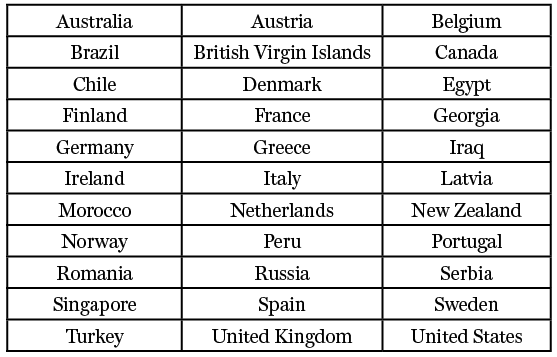
The dataset represents a limited and incomplete picture about the true scale of the threat. Court records about Com Network arrests are often sealed and not made public due to the offenders being minors, the inclusions of child sexual exploitation material, the reality that several countries do not make publicly available court records, as well as the fact that not all countries use similar language to describe the threat or identify arrests or crimes as linked to The Com Network or nihilistic violent extremism. It is very likely that the scale of the threat, the breadth of global arrests, and the number of victims are grossly underrepresented here.
Based on this dataset, these 295 Com Network members have victimized a total of 5,375 individuals and entities. This includes at least 22 fatalities, 1,747 victims of sadistic online extortion,z 1,754 victims of swatting,aa 143 animals subjected to crushing, 1,633 victims of cybercrime, and 76 properties damaged. Of the 257 perpetrators whose gender was recorded, 94.9% (244) were identified as male, whereas 5.1% (13) were identified as female—meaning there is a 19:1 male-to-female ratio among cases where gender is known. The data also shows that for the 229 individuals out of 295 for whom their age is known, the median age is 19 years old, while the mean is 20.17. Importantly, this age data reflects the age of the offender at arrest, however the authors have observed that the majority of these individuals were active within The Com Network for years prior to their arrest. This dynamic, and lack of visibility into arrests and court proceedings involving minors, likely means that the age picture offered here skews somewhat older. Year-on-year, the median age of arrested offenders is as follows:ab
2020: 20
2021: 21.5
2022: 22
2023: 18
2024: 20
2025: 19
2026:ac 19
In calculating the age of victims, the authors do not account for the age of victims of cybercrime, victims of animal crushing, victims of swatting, or properties damaged. Further, due to the majority of victims being minors and/or their demographic details not being included or available in public sources, the authors’ dataset only accounts for the age of 251 victims. The overall mean age for victims of The Com Network is 14.33, while the median is 13 years old. The median age of known victims’ year-on-year is as follows:
2020: n/aad
2021: 11.5
2022: 16
2023: 14
2024: 12
2025: 14
2026: 13
A methodological and conceptual caveat applies throughout this dataset: It records individuals by their legal status at the point of arrest and therefore counts them as offenders, which cannot capture the extent to which the same individuals may also have been victims. Given the dynamics described above, in which recruitment frequently proceeds through grooming, coercion, blackmail, and the exploitation of pre-existing vulnerability, it is likely that a portion of those recorded here as offenders were themselves subjected to coercion, exploitation, or abuse within these same networks, whether prior to or concurrent with their own offending. This is consistent with the authors’ observation that many offenders were minors when they first entered these spaces, and with the victim-perpetrator dynamics evident in several of the case studies that follow. The authors do not attempt to disentangle these overlapping roles here, and their offender counts should not be read as implying that the individuals concerned were never victims. Rather, the authors signpost that, in a meaningful number of cases, offender and victim are not mutually exclusive categories and that this overlap is itself a defining feature of the NVE ecosystem.
A subset of the cases in this dataset have been prosecuted not through general criminal statutes alone, but under dedicated counterterrorism legislation, or charged with conduct that maps onto how most scholars and practitioners would define an act of terrorism. In the United States, Baron Cain Martin was charged with conspiring to provide material support to terrorists alongside child-exploitation and foreign-murder-conspiracy counts.39 In Alabama, Carson Albert Butler was indicted on a state terrorism count in connection with a plot against a high school,40 and in Florida, Jose Pagan Jr. was charged with terrorism and child-pornography offenses.41 In Canada, Jeffrey Roussel42 and Nevin Thunder Young43 were each charged with participating in, facilitating, and committing an offense for a terrorist group, while an Edmonton-area youth was placed under a terrorism peace bond before being charged with further terrorism offenses.44 In the United Kingdom, Cameron Finnigan (one of the cases explored in more detail below) pleaded guilty to offenses including possession of a document likely to be useful to a person committing or preparing an act of terrorism. In the Netherlands, the alleged founder of No Lives Matter is being prosecuted for terrorism,45 with the Public Prosecution Service treating the group as a terrorist organization. And in Australia, a 16-year-old was charged under the Commonwealth Criminal Code with collecting and making documents likely to facilitate a terrorist act and with possessing violent extremist material.46
These cases indicate that, although the conduct the authors describe is frequently prosecuted through child-exploitation, cybercrime, and ordinary violent-crime statutes, a growing number of NVE-linked actors are now being charged under terrorism law itself, a pattern consistent with the recent designation of 764 and affiliated groups as terrorist entities.
Two important caveats apply, however. First, the status of these matters varies: Some are allegations or indictments not yet tested at trial; others have resulted in convictions or guilty pleas, and preventive measures such as peace bonds are distinct from criminal charges. In addition, several individuals were charged in connection with affiliated Com Network groups, such as Maniac Murder Cult or No Lives Matter, rather than 764 specifically.
In a review of the 295 cases in the dataset, the authors have found that just because someone is arrested for crimes committed as part of The Com Network (or even being a member of 764) does not necessarily mean they are nihilistic violent extremists. This is, in part, a question of role: Cybercrime-focused or peripheral participants may sit within The Com without exhibiting the behavioral orientation the authors describe, whereas leaders, groomers, and directed perpetrators more often do. The data suggests that participation in The Com Network, or association with groups such as 764, is not in itself sufficient to classify an individual as a nihilistic violent extremist. Rather, cases vary in the extent to which they exhibit the elements set out above. In practice, this means asking of a given individual: Are they actively embedded in the edgesphere and its status economy, rather than transacting at its periphery; do they produce or circulate harm in order to earn standing (‘clout’); is their conduct shaped by anomie, nihilism, and misanthropy rather than instrumental gain; do their harms hybridize across categories, including sadistic online exploitation; does ideology operate as justification and aesthetic rather than as the primary driver of their violence; and is their offending directed at no coherent strategic end state? Further, the case studies featured below have been included to illustrate the applications of the framework across a geographically diverse set of offenders and offense types. Taken together, the cases suggest that the defining characteristics of NVE manifest across actors, roles, and contexts within the broader Com ecosystem.
764 Case Studies
Bradley Cadenhead (United States)
At the time of his offending, Bradley Chance Cadenhead was a minor in Texas with a documented history of violent ideation. In September 2018, at age 13, he was charged in juvenile court with making a terroristic threatae after stating he wanted to shoot up his junior high school and “carve pentagrams into the table and kill everyone.”47 Teachers documented his fixation on firearms, silencers, and improvised explosives, with one expressing the concern that he was “building his courage up to do such things.”48 In August 2019, Cadenhead threatened to kill his father and was sent to a psychiatric hospital followed by juvenile detention. A second hospitalization in early 2022 was triggered by a statement that he wanted to “kill them all.”49 According to Cadenhead, he began consuming gore and torture imagery at age 10 “for the shock value,” began self-cutting at age 11, and met a co-conspirator through Minecraft with whom he launched the Discord server he named 764, accumulating “hundreds of torture videos” and between 200 and 400 followers.50
As founder, moderator, and content curator of the Discord server, Cadenhead uploaded child sexual abuse material (CSAM) to attract and retain followers, while other users contributed further material into the same environment. He admitted that the sextortion of minors and other targets was “quite common,” and conducted both for money and, in his own words, for “power over the individuals.”51 Forensic examination of his devices recovered prepubescent CSAM, videos of adolescent victims, audio files referencing grooming, and operational accounts under multiple aliases.52
The defining feature of Cadenhead’s offending was the coercive, ritualized control he exerted over victims. Pre-sentence findings establish that he directed individuals “to actually carve his initials and other references to him into their bodies as a form of homage,” with forensic imagery depicting victims cutting “Brad is a pedo” and “764” into their skin.53 He described the group to investigators as “actually a self-described Cult,” with members idolizing him as its leader.54 The District Attorney’s filing characterized the broader seized material as depicting infant sexual assault, child mutilation, torture and death, and human self-mutilation, and formally assessed the defendant as dangerous.55 On May 16, 2023, Cadenhead aged 18 pleaded guilty to nine second-degree felony counts of Possession with Intent to Promote Child Pornography and received an aggregate sentence of up to 80 years.56 Although Cadenhead was convicted on child-exploitation rather than terrorism or violent-extremism grounds, the network and ritualized online culture he founded have become the operational template for a successor generation of 764-aligned actors whose offending is now escalating from coercive online harm into terrorist and violent-extremist acts.
Ronndog “HokaMachine” Keefe (New Zealand)
At the time of his offending, Ronndog “HokaMachine” Keefe was a young New Zealander in his late teens to early 20s with no prior criminal history. His pathway into The Com Network appears to have begun with exposure to violent extremist material online, including footage from the Christchurch mosque attacks. In evidence before the Court, Keefe described encountering and sharing edited segments of this material within online gaming environments, including Call of Duty-related Discord servers, where such content was circulated as spectacle, detached from its real-world consequences.57 Following exposure in these spaces, Keefe’s engagement deepened. Over a period of approximately two years (2022-2024), Keefe became immersed in online networks operating across platforms such as Discord, Instagram, and MEGA, using more than 20 distinct accounts and identities.58 These environments exposed him to communities in which exploitation, transgression, and notoriety were both normalized and rewarded.
Keefe’s offending involved the large-scale distribution of child sexual exploitation material, including the creation and distribution of publicly accessible repositories containing thousands of files.59 He also directly engaged in the grooming of minors. In one instance, Keefe communicated with a 13-year-old girl via social media platforms, including Snapchat, using deception, sexualized communication,60 and incentives such as gaming tokens to solicit explicit material.61 Keefe also communicated with a young woman in the United States over an extended period who alerted authorities after Keefe repeatedly described his desire to carry out a mass-casualty attack to gain notoriety.62
Keefe’s offending extended beyond child exploitation into violent extremist intent. Keefe possessed Christchurch attack content and expressed a desire to emulate high-profile acts of violence for recognition. When police executed a search warrant at Keefe’s Hastings home located in New Zealand’s Hawkes Bay, they located multiple bladed weapons in his bedroom, including a machete and bayonet.63 Open-source reporting further indicates that he had written about being radicalized and framed his intended violence in religious terms, describing himself as a “soldier of Christ” and outlining plans to carry out a stabbing attack targeting members of the public.64
Keefe later claimed that aspects of his offending were driven by coercion from members of the 764 network, describing experiences of online pressure and doxxing. However, this explanation was rejected by the court.65 His communications instead reflected a desire to gain recognition within these environments, including emulating acts of mass violence that would attract public attention. Keefe pleaded guilty to 13 charges, including knowingly distributing child sexual exploitation material, exposing a young person to indecent material, and threats to kill. In 2025, Keefe was sentenced to five years and four months in prison and placed on the child sex offender register for eight years.
Taken together, Keefe’s trajectory illustrates how exposure to violent content, immersion in harmful online subcultures, and participation in networked environments of exploitation can converge into pathways of harm that blur traditional distinctions between criminality and extremism. His case demonstrates how NVE-linked ecosystems produce actors for whom violence, coercion, and notoriety are mutually reinforcing components of a single system of harm.
Cameron “ACID” Finnigan (United Kingdom)
Cameron “ACID” Finnigan was 18 years old and living with his adoptive parents at the time of his offending. Between late 2023 and March 2024, Finnigan became an active participant in 764, operating primarily through Telegram.66 His offending involved the production and dissemination of violent propaganda with 764 imagery, including content depicting murder, mutilation, rape, self-harm, and extreme violence.67 Like Keefe in New Zealand, Finnigan’s pathway into these environments appears to have been shaped by prolonged immersion in online subcultures where violent and exploitative content circulated alongside gaming, meme culture, and shock-oriented social interaction. In 764 channels, Finnigan boasted about the quality of his content creation, edited videos and graphics using the application called CapCut, and encouraged other 764 members to commit serious acts of violence and vandalism. During a period referred as “Terror Week” within the network, he encouraged associates to target homeless people and discussed acts of violence in explicitly racialized and accelerationist terms.68
Finnigan also self-identified as a “high-level extorter.” As such, he encouraged a vulnerable young woman to livestream her suicide in a 764-affiliated Telegram chat after she had sent him footage of her self-harming. Finnigan also shared this self-harm footage with the 764 Inferno chat group.69 This dynamic mirrors patterns observed in the Keefe case, where vulnerable young people were manipulated and drawn into escalating cycles of coercion, humiliation, and violence within online networked environments. Finnigan also possessed the “NLM x MKY Kill Guide,” a document containing instructions for how to commit mass-casualty truck, knife, and firearm attacks.70 Police also recovered indecent images of children, extremist propaganda, and evidence linking Finnigan to acts of vandalism and threatening graffiti.71
The sentencing remarks describe Finnigan as a socially isolated and vulnerable young person with a history of developmental trauma, bullying, mental health difficulties, and self-harm.72 Mirroring Keefe, psychiatric evidence described by the judge suggested that his involvement with 764 was driven by a desire for belonging, status, and social connection, alongside a fascination with violence and sadistic behavior.73 The court accepted that 764 provided Finnigan with a sense of identity and purpose, but rejected claims that he had been unwillingly drawn into the network, concluding instead that he had occupied a prominent and active role within it.74
Slain, Njae, and Chai (Sweden)
‘Slain764,’ ‘Njae764,’ and ‘Chai764’ were all part of a Swedish cell of The Com Network group No Lives Matter (NLM). These cases illustrate how Com Network groups like 764 and NLM within the NVE ecosystem blur distinctions between online and offline offending, exploitation/grooming and extremism, as well as direct and mediated forms of violence. As with the previous cases, the Swedish cases involve socially isolated youth immersed in online subcultures characterized by neo-Nazi occultist and accelerationist symbols, coercion, performative violence, and status-seeking behavior within networked chat environments.
The first case concerns a then 14-year-old boy associated with the alias ‘Slain764’ who on September 13, 2024, carried out an apparently unprovoked stabbing attack against an elderly man in Hässelby, Stockholm.75 Swedish court records and media reporting state the attack was livestreamed and shared in 764 and No Lives Matter-affiliated chat groups.76 According to court records, the suspect identified the user ‘Chai764’ as the individual who coerced and blackmailed him into carrying out the attack, recalling that Chai reassured him that, as a minor, he had effectively no serious consequences to fear and should simply go ahead.af Slain764 also described the broader group, which he had been embedded in for two to three years, as one of his only experiences of belonging, into which he had ultimately been manipulated to commit serious violence against another person.77 In April 2025, Solna District Court found in a bevistalanag proceeding that the boy had committed attempted murder.78 The case reflects several recurring dynamics observed across NVE spaces: youth participation, accelerationist and performative violence, and the transformation of violence into networked social capital through recording and dissemination. As with Finnigan’s propaganda production and Keefe’s notoriety-driven aspirations, the attack appears embedded within a broader culture of transgression, spectacle, and recognition-seeking rather than a clearly articulated political objective.
The second case also concerns a then 14-year-old boy who, on January 4, 2025, attacked a 55-year-old woman with a knife in the Trandared district of Borås, livestreaming the assault on Discord79 to viewers in 764-affiliated chat spaces.80 The victim, who was walking her dog, sustained life-threatening injuries but survived; the boy, who went by the username ‘Njae764,’ was arrested the same evening on the basis of tips received about the livestream.ah Forensic examination of the offender’s devices recovered MKY-claimed murder videos from 2021, Order of Nine Angles and No Lives Matter imagery, and mass-murderer reference material.81 In subsequent police interrogation, as reported in the Swedish press, he stated that he had felt pressured into committing the attack by persons he had encountered online and recalled that livestream viewers had urged him in real time to follow through.82 In chat records reviewed by the authors, the stabbing was a substitute for a tire slashing that the group had deemed insufficient to grant Njae membership, instead demanding that he find a human target.83 The perpetrator described his motivation as a desire to feel belonging within the group, which over a period of online immersion had progressively convinced him to act. In May 2025, Borås tingsrätt (Borås District Court) found in a bevistalan that he had committed the act but did not rule it attempted murder; in July 2025, the Hovrätten för Västra Sverige (The Court of Appeal for Western Sweden) upheld that finding on the prosecution’s appeal.84
The third case concerns an 18-year-old man (alias ‘Chai764’), who according to Swedish prosecutors occupied a highly prominent position within 764 and No Lives Matter.85 Active within the network from the age of 15, he was first convicted in 2024 in connection with the attempted online inducement of a 13-year-old boy to livestream his own suicide, and was identified by SVT’s investigative documentary series Dödens chattrum (2025) as the most serious Swedish 764 perpetrator before the courts.86 In May 2026, prosecutors in Umeå filed a superseding indictment charging him with 77 offenses allegedly committed online between 2023 and 2025, including attempted murder, incitement to suicide, rape, aggravated child sexual exploitation, aggravated child sexual abuse, and aggravated cruelty to animals.87 Court records document Chai’s coercion of a Swedish child victim via Discord, in which the victim was directed, under threat of being doxxed to their school, to cut themselves on camera.88 Beyond his documented coercion of the ‘Slain764’ attacker, prosecutors allege ‘Chai764’ also coerced victims in Australia and Germany into severe self-harm and sexual abuse. Swedish prosecutors have framed the case as a potential “pilot case” for determining whether serious violent offenses can be committed remotely via online networks and successfully prosecuted.89
The Swedish cases demonstrate the breadth of behaviors emerging within NVE-linked environments. Violence within these ecosystems is rarely overtly ideological; it is performative, socially reinforced, done for acceptance and a desire for friendships, and embedded within online networks centered on status acquisition, exploitation, and transgression. They further illustrate how these environments produce both acts of public, performative violence and diffuse forms of coercive, digitally mediated harm, in some instances within a single connected ecosystem, complicating traditional distinctions between criminality, violent extremism, child sexual exploitation and abuse, and online abuse more broadly.
Conclusion
Taken together, the cases of Cadenhead, Keefe, Finnigan, Slain, Njae, and Chai demonstrate that the proposed dimensions of NVE do not manifest uniformly across actors and that the role an individual occupies shapes how they present. Cadenhead, as a leader and content curator, anchored his offending in coercive sexual exploitation and cult-style charismatic authority, with violent-extremist imagery operating as ambient decor. Keefe, an aspirational follower seeking notoriety, and Finnigan, an influencer, propagandist, and self-described ‘high-level extorter,’ combined prolonged immersion in shock subcultures with aspirational and propaganda-producing engagement with accelerationist material. The Swedish cases span the role spectrum. At one end are directed followers: the minors known as Slain764 and Njae764, who were coerced through networked pressure into committing acts of in-person violence. At the other is Chai764, a senior coercive operator who industrialized the manipulation of vulnerable minors across multiple jurisdictions. What unifies these cases is not a shared ideology but a shared ecosystem, a shared status economy in which standing is earned by producing and circulating harm, a shared behavioral orientation in anomie, nihilism, and misanthropy, and a shared reliance on sadistic online exploitation and coercive control as the means through which that harm is enacted. The roles differ; the underlying logic of recognition through harm does not.
The most consistent finding across the case studies is that ideology in NVE spaces is fluid, performative, and primarily symbolic. Neo-Nazi imagery, occultist iconography, accelerationist slogans, and references to mass-casualty attackers function as currency through which status, transgression, and group membership are signaled, rather than as coherent political programs pursued through violence. This stands in marked contrast to the operating logic of militant accelerationism as developed in the lineage of James Mason, the Atomwaffen Division, the Base, and the Terrorgram Collective, where the production and consumption of ideological texts, the articulation of strategic end states, and the cultivation of doctrinal cadres remain central organizing principles. Militant accelerationism is structured around racialized in-groups and out-groups; NVE is not. The NVE ecosystem is racially and culturally diverse,ai and actors within it routinely espouse neo-Nazi views and adopt Nazi aesthetics irrespective of their own non-white identities.
The collapse of NVE and militant accelerationism into a single analytical category, as has increasingly occurred in some research and operational settings, risks committing three substantive errors, even where assessors are diligent. First, it increases the risk of mischaracterizing motivation, by treating ideological signaling as though it were ideological commitment. (Organizations whose mandate is tied to ideology can and do assess deeper drivers; the point is that collapsing the categories makes such errors more likely, not inevitable.) Secondly, it risks mistargeting intervention, prioritizing approaches to prevention, deterrence, and response that center on ideology and narrative, where there is instead a need for greater focus on, and investment in, approaches that prioritize youth safeguarding, online harm reduction, and victim-centered responses to coercive control. Thirdly, it risks obscuring victimization. Given the centrality of victim-perpetrator cycles in these milieus, in which many actors are first groomed, coerced, or exploited before going on to perpetrate harm themselves, NVE actors are frequently both perpetrators and products of the ecosystems through which they offend. The prevention field has begun to address such pathways through trauma-informed practice, building on findings that a substantial share of perpetrators were exposed to violence or victimization earlier in life. The gap is more pronounced in security and enforcement settings, where victim-perpetrator dynamics remain under-incorporated, and this is precisely an area where comparison and collaboration across NVE and accelerationist violent extremism could prove valuable.
Instead of conflating, or treating, these two phenomena into a single analytical category, the Participatory Memetic Violent Extremism (PMVE) framing developed by Ondrak and Vitelli is more helpful when it comes to NVE cases. One important reason is because those cases can then also be viewed in relation to the literature on youth subcultural deviance, transgression, and edgework. Read alongside trauma-informed practice, this lens also helps explain why transgression and edgework are so reinforcing: For many participants, staged violence and risk-taking meet needs created by victimization, anomie, an absent sense of personal safety, and a desire for control. Seen this way, the performative production of harm is not only a route to status but also a maladaptive response to vulnerability, which is why effective responses run through child protection and clinical support as much as through security. Reading NVE through these lenses recovers what terrorist designations obscure: that we are looking at a coercive online youth subculture in which the production and circulation of harm is both the mechanism of belonging and the medium of status, and within which the symbols of violent extremism are deployed because they are the most transgressive symbols available, not because their bearers seek the political worlds those symbols originally described. Taking this seriously has substantial implications for child protection on platforms such as Discord and Roblox, the training of educators and clinicians, and cross-jurisdictional cooperation on remotely coerced violence, which the authors argue, are the more urgent next frontiers for research. CTC
Dr. Marc-André Argentino is the author of QAnon From Conspiracy Theory to New Religious Movement (2025), co-editor of Contemporary Far-Right Culture The Art, Music, and Everyday Practices of Violent Extremism (2025), and co-author of Dangerous Conspiracy Theories: When Bad Ideas Turn Violent (forthcoming 2026). His current research focuses on nihilistic violent extremism, youth radicalization to violence, and malevolent use of technology. Argentino is a Team Lead at the Government of Canada’s Canada Centre for Community Engagement and Prevention of Violence. The views expressed do not necessarily represent those of the Government of Canada.
Dr. Angus Lindsay is a critical criminologist and national security policy specialist researching digital violent extremism, far-right ecosystems, and emerging online subcultures. His recent work also explores digital racial capitalism, and contemporary far-right mobilization. Based in Aotearoa, New Zealand, he works across research and national security policy to strengthen approaches to counterterrorism, violent extremism, and digital harm reduction. The views expressed do not necessarily represent those of the Government of New Zealand.
© 2026 Marc-André Argentino, Angus Lindsay
Substantive Notes
[a] Historically, assessments have privileged ideological content, doctrinal commitments, command-and-control indicators, and discernible operational planning as the primary discriminators between violent extremist ‘support’ activity and credible mobilization. In The Com Network ecosystems, however, the ecology of risk is frequently mediated through aesthetics, networked performance, and competitive identity work rather than stable ideological adherence. Legacy terrorist semiotics (logos, mottos, anthems, martyr iconography, stylistic templates, and archival propaganda fragments) can be instrumentally redeployed by nihilistic violent extremists without implying continuity of membership, lineage, or even sincere ideological identification with these entities.
[b] The authors distinguish a diffuse, destruction-oriented impulse, which is often present, from a coherent strategic objective or governing project, which generally is not. ‘Burning it all down’ as nihilistic destruction for its own sake is not the same as the accelerationist pursuit of collapse as a route to a specified successor order.
[c] A growing body of scholarship has argued that coercive control extends beyond intimate partnerships and can function within peer-based relationships, particularly in digital environments where surveillance, group conformity, and emotional domination are structurally enabled. This includes technologically facilitated coercive control, whereby digital tools such as messaging apps, GPS tracking, and social media platforms are used to surveil, isolate, harass, and manipulate. Within digital extremist spaces such as The Com, these dynamics become visible in how participants monitor one another’s behavior, enforce subcultural norms, and punish perceived disloyalty through emotional blackmail, exclusion, and extortion. What distinguishes coercive control within The Com Network is its decentralized peer-to-peer structure, embedded in layered subcultural hierarchies rather than formalized chains of command. Manipulation and coercion in The Com are driven by dynamics of social capital, aesthetic performance, and emotional dependency rather than ideological indoctrination or top-down orders. Victims and perpetrators in this ecosystem do not require formal authority to exert power. Instead, they cultivate influence through ‘clout chasing,’ leveraging emotional intimacy, shame, and the validation of disordered behaviors (such as self-harm and eating disorders) to manipulate and dominate peers. Molly Dragiewicz, Delanie Woodlock, Bridget Harris, and Claire Reid, “Technology Facilitated Coercive Control: Domestic Violence and the Competing Roles of Digital Media Platforms,” Feminist Media Studies 18:4 (2018): pp. 609-625; Molly Dragiewicz, Delanie Woodlock, Michael Salter, and Bridget A. Harris, “‘What’s Mum’s Password?’: Australian Mothers’ Perceptions of Children’s Involvement in Technology-Facilitated Coercive Control,” Journal of Family Violence 37:1 (2022): pp. 137-149; Anastasia Powell, Asher Flynn, and Sophie Hindes, Technology-Facilitated Abuse: National Survey of Australian Adults’ Experiences, Research Report 12/2022 (Sydney: Australia’s National Research Organisation for Women’s Safety, 2022); Leena Malkki, Henrik Ali-Hokka, and Saija Benjamin, Violence-Focused Online Communities, RADIA Brief 1/2025 (Helsinki: RADIA, University of Helsinki, 2025).
[d] ‘Clout,’ notoriety, or popularity is the primary currency of The Com Network. Status is earned through the severity, visibility, and impact of actions. The more extreme the action, or the ability to extort others into taking action, the greater the attention and reputation an individual accrues within the network. The killing of another person confers the highest status. Manipulating a victim into suicide, producing viral footage of a member attacking strangers, and commissioning large-scale cybercrimes are similarly high-value acts within this social economy of attention.
[e] There are eight principal ecosystemic pathways that lead into the edgesphere: terrorist and violent extremist milieus, the true crime community, extreme trolling communities, cybercriminal ecosystems and groups, gore network and platforms, animal abuse milieus, sadistic online exploitation, and self-directed violence ecosystems. These ecosystems are not mutually exclusive; individuals frequently participate across multiple feeder communities simultaneously, and their cumulative exposure across these spaces accelerates radicalization trajectories and complicates threat assessment, prevention, and intervention efforts.
[f] Though not the main drivers, these conditions do not emerge in an ideological vacuum; rather they intersect and draw influence from fragments of pre-existing extremist traditions, most notably neo-Nazi accelerationist, esoteric and occultic network like the Order of Nine Angles, the Terrogram Collective, maniac culture, Saints Culture, and the celebration of perpetrators of mass casualty attacks. These racially and ethnically motivated violent extremist movements provide an important symbolic and cultural repertoire for some of the early groups that informs today’s NVE ecosystem. However, in the authors’ assessment, it does not necessarily act as a coherent belief system adopted wholesale, but as archives of transgression, elitism, occultism, violence, and anti-humanism.
[g] This is evident in networks linked to or emulating 764, No Lives Matter (NLM), and M.K.Y./M.M.C., where references to National Socialism, accelerationism, O9A, and ‘collapse-oriented’ thinking can appear alongside trolling, irony, and aesthetic performance. The result is not a coherent ideological project, but a flattened remix of extremist traditions in which violence is detached from strategic ends and recast as an end in itself. In this configuration, extremist elements function less as commitments than as symbolic resources used to generate shock, status, and belonging.
[h] The Com Network has both established legacy groups (referred to colloquially within the network as “oldgen” or “OG,” active prior to 2021), mid-period groups (“midgen,” 2022-2023), and newer entrants (“newgen,” 2024 onward).
[i] Access to a group in The Com Network is predicated on committing a certain amount of criminal or violent extremist activity. For example, a prospective member may be required to complete five to six acts of vandalism, two to three acts of sadistic online extortion, one or two acts of animal crushing, or only a single stabbing or shooting. This tiered structure is not incidental; it functions as a deliberate pipeline, normalizing criminal participation at accessible entry points before escalating the commitment required for higher-status membership.
[j] Members document and disseminate their criminal acts as a form of cultural currency. Where acts target a specific individual, the resulting material is archived in a “LoreBook,” a dedicated repository of personally identifiable information, extorted content, and documentation of acts carried out against the victim, published online for the purpose of ongoing harassment and blackmail.
[k] Cyber Com is the pillar known for cyber-criminal activities including SIM swapping, ransomware, swatting, and social engineering data theft. Notable incidents linked to Cyber Com include the Snowflake-related data breaches and the Scattered Spider intrusion network. Brian Krebs, “The Dark Nexus Between Harm Groups and ‘The Com,’” Krebs on Security, September 13, 2024.
[l] Sextortion Com is the pillar within which members target vulnerable minors through grooming, sextortion, and coercion into producing child sexual abuse material (CSAM) and self-harm content. Victims’ personal and sexually explicit information is compiled into digital archives known as “LoreBooks,” used for blackmail, re-traumatization, and the accumulation of social standing within the network.
[m] Offline Com focuses on real-world criminal activity ranging from vandalism, tire slashings, and brickings, through to arson, random stabbings, terrorism, and bioterrorism.
[n] The fluidity between these pillars means that a member primarily active in Cyber Com may offer swatting or doxxing services to a Sextortion Com actor, facilitating coercion of a minor. Similarly, national security threats and online child sexual exploitation regularly co-occur within the same digital spaces and among the same individuals. The harms of The Com Network are primarily online in origin but reliably produce offline consequences, including self-harm, suicide, child sexual exploitation, and real-world violence.
[o] Members, particularly younger ones, escalate their behavior not because they hold genuine ideological convictions, but because they seek online validation and recognition. There is clear competition among youth to outperform each other, and the perception of risk, including law enforcement intervention, is often treated as a badge of honor rather than a deterrent. To gain access to a named group’s private servers or to be formally recruited, an individual must prove themselves by creating “content.” In practice, this means committing and recording a crime. This requirement functions simultaneously as an initiation mechanism, a means of generating blackmail material that can be used to control the new recruit, and a way to build the notoriety and brand of a particular group.
[p] 764 is a network of individuals who seek to normalize/weaponize criminal activities such as animal torture, zoosadism, incest, self-harm, sextortion, and violent extremism as coercion tactics.
[q] 764 and adjacent Com Network groups and/or their threat actors are typically older teenagers and young adults, often only a few years older than their victims. Older individuals with interest in the network are not often accepted. However, some notable exceptions have been identified, with feared and respected members aging into their 20s and, in one case a middle-aged threat actor (Richard “Rabid” Densmore) acting within the network. This age dynamic presents new challenges to existing awareness models of child protection, in which children may be encouraged to view unknown adults, but not other children, as potential predators. This also contrasts popular views of traditional terrorist and violent extremist group dynamics, in which young members are often delegated to outreach or recruitment, but rarely lead large violent extremist groups themselves.
[r] 764 recruiters seek to exploit personal vulnerabilities of members and recruits by targeting individuals with existing grievances and/or vulnerabilities, whether rooted in mental health struggles, personal failures, or societal rejection. The pseudo-philosophical justifications of their nihilistic and misanthropic worldview paints violence as a transformative act, offering participants an escape from their perceived insignificance, as well as personal or social suffering.
[s] 764 threat actors manipulate victims into video recording or livestreaming acts of self-harm, real-world violent crimes, and child sexual exploitation. These streams and recorded videos are shared with either the abuser or a group of abusers who will watch the ‘shows.’ The threat actors then often share this content in online group forums or in digital archives they call “LoreBooks” to further traumatize the victims. Abusers control their victims through intimidation, including threats of violence, doxing, swatting, animal mutilation, extortion, and forced suicide. Victims are also shared between members as a form of ‘punishment’ for non-compliance.
[t] They will often create a fake relationship (an ‘e-romance’) to attract those feeling isolated, lost, or grappling with personal issues, and looking for attention and validation. In these instances, they gain victims’ personal information, sexually explicit images, and affection through gifts (e.g., Amazon deliveries, e-transfers, video game currency, or cryptocurrency transactions).
[u] “Within NVE milieus, sadism, gore, and aesthetics become forms of entertainment and drivers of humor and irony, while aesthetics borrowed from extremist or popular culture provide legitimacy through recognizability. Recognition and validation within these deviant peer groups establish hierarchy and influence. Thus, performance in NVE is not simply expressive but constitutive: It defines identity, sustains membership, and drives escalation.” Marc-André Margentino, “Beyond the Headlines: Arrest Data and Drivers of Nihilistic Violent Extremism in the Com Network,” From the Depths, September 18, 2025.
[v] “PMVE is a form of extremism that places an emphasis on violence as an end in itself, rather than as a means to further a political or ideological agenda. To PMVE communities, violent attacks are viewed as a symbolic rite that adds to a collective mythos based solely on socially transgressive action. Communities involved in PMVE often deploy a diffuse (and sometimes self-contradictory) combination of ideological and online culture symbols. These are used as references to signal subcultural participation rather than ideological affiliation. The use of in-group signaling combined with the symbolic nature of an attack itself means that actors without prior affiliation with PMVE communities can still carry out attacks in dialogue with these groups that can then be referenced in the future by others.” Joe Ondrak and Laura Vitelli, “Participatory Memetic Violence: Legend, Ostension, and Ideologically Diffuse Violence,” Global Network on Extremism and Technology (GNET), December 18, 2025.
[w] NVEs prioritize scalability and privilege ease of replication over complex planning logistics. Rather than requiring prolonged ideological indoctrination (such as in religious or ideologically motivated violent extremists cells who may study doctrine or plan operations for months), NVE actors furnish ‘operation kits’ including instructional guides on: low-cost, high-impact attacks, including how to plan a knife attacks; how to plan a vehicle ramming, swatting and doxxing, vehicular ramming attack; how to sadistically extort victims, and swatting and doxxing guides. Likes voor Leed: 764- en COM-netwerken, Misantropisch/Nihilistisch Gewelddadig Extremisme (Apeldoorn, Netherlands: Nuance door Training & Advies, November 2025).
[x] The guiding strategic logic is to overwhelm systems through the sheer volume of attacks: a proliferation of low-sophistication, highly chaotic events, such as school shootings, viral animal-cruelty clips, and swatting campaigns that collectively strain law enforcement and social resilience, so that authorities expend resources faster than perpetrators expend effort.
[y] Nihilistic violent extremists weaponize the architecture of social media to locate highly suggestible users (typically adolescents seeking belonging, thrill, or meaning) and then subject them to escalating norm violations. This cycle creates a renewable pool of actors operating in influencer and groomer roles who weaponize the architecture of social media to locate highly suggestible users, producing a renewable pool of directed followers willing to conduct lone-actor violence under remote instruction.
[z] “Sadistic online exploitation (SOE) reflects a significant shift in how risk and harm emerge for young people in digital spaces. Unlike other forms of exploitation, SOE manifests as primarily youth-driven, networked environments that are socially structured around harm itself, where demonstrated tolerance of, and participation in, harm function as mechanisms for group belonging and status. Within them, adolescents are not only the primary victims but also the primary active participants in harming others, achieving status through escalation. In these environments, harm spreads quickly, intensifies rapidly, and becomes increasingly difficult for participants to disengage from.” Advancing Response to Sadistic Online Exploitation in Networked Youth Environments (Los Angeles: Thorn, 2026).
[aa] Swatting is the practice of calling emergency services, usually through anonymized VoIP (voice over internet protocol) phone applications, and reporting false crimes intended to provoke an armed response by police. In many cases, the perpetrator will pretend to be the intended victim and tell authorities they are armed and intend to kill themselves or others.
[ab] The age of the offenders is based on their age at their moment of arrest; however, based on the authors’ review of the data and study of their digital footprints, the majority of these individuals were active within The Com Network for years prior to their arrest. Though this research is incomplete and ongoing, it is very likely that when they began offending, the majority of these individuals were themselves minors.
[ac] Data from 2026 is based on arrests up to April 30.
[ad] There is no publicly available demographic information about the victims of The Com Network in 2020 in the authors’ dataset.
[ae] Terroristic threat is a discrete state criminal offense covering threats of violence made to place others in fear or to disrupt activity; it is distinct from, and should not be read as equivalent to, a federal terrorism charge or a formal domestic terrorism designation.
[af] Chai is likely making reference to HVB (hem för vård eller boende), which is the Swedish juvenile residential care system—the placement minors go to in lieu of prison—since under-15s in Sweden cannot be criminally prosecuted in the ordinary sense. Chai’s message to the 14-year-old was effectively: ‘You’re a kid, the worst that can happen to you is a stint in a youth home, stop overthinking it, just go through with the attack.’ This is not the first case, but a consistent pattern within NVE milieus, whereby perpetrators or those coercing individuals into violence will regularly leverage the fact that those under the age of criminal responsibility in their countries will not be held accountable or held to lighter consequences for their violent crimes.
[ag] A bevistalan (loosely, an evidentiary trial) is a Swedish proceeding used to establish, on the criminal standard of proof, whether a person under the age of criminal responsibility (15 in Sweden) committed an act, without imposing a criminal penalty.
[ah] According to Telegram chat records reviewed by the authors, members of the group to which Njae belonged claimed to have reported him to law enforcement purely for amusement (“for the lolz”). That an offender was exposed to authorities by his own peers, and for entertainment rather than conscience, underscores how unstable the boundary between insider and target can be within these groups. This goes against what is traditionally understood about in-group dynamics where being part of the in-group in most terrorist and violent extremist groups provides protection, whereas in these groups, insiders can turn on one of their own at any given time.
[ai] This dataset remains an active research instrument. Beyond the descriptive distributions reported here, the authors intend to expand it to further examine for the behavioral and developmental correlates of escalation; for platform-migration pathways that recur across cases, such as the progression from open gaming environments (for example, Roblox and Minecraft) into encrypted and ephemeral messaging channels; and for the relationship between offender age, charge severity, and sentencing outcomes across the 33 jurisdictions represented in the data.
Citations
[1] Peter Smith, Cat Cadenhead, and Clara Broekaert, “True Crime Community: Understanding the Depths of Digital Fandom and Performative Violence,” CTC Sentinel 19:2 (2026).
[2] Mackenzie B. Hart, “‘Less than a Speck of Dirt’: Exploring the Manifestos of Nihilistic Violent Extremists,” Behavioral Sciences of Terrorism and Political Aggression (online), March 6, 2026, pp. 1-20.
[3] Phoebe Petrovic, “Madison and Nashville School Shooters Appear to Have Crossed Paths in Online Extremist Communities,” ProPublica, January 24, 2025; “Nashville Shooter’s Manifesto Reveals Inspiration Drawn from the Online Far-Right,” Global Project Against Hate and Extremism, January 23, 2025.
[4] “Wimauma Teen Tied to Neo-Nazi Satanic Group, Charged with Terrorism, Child Porn,” Maryland Coordination and Analysis Center, February 5, 2026; Joe Espy and Joey Swanson, “Teen Linked to Neo-Nazi Satanic Hate Group Accused of Planning Mass Shooting at Wimauma Church: HCSO,” Fox 13 News (Tampa Bay), February 4, 2026.
[5] “Turkish Attacker Steeped in Neo-Nazism and Online Gaming Culture,” Global Project Against Hate and Extremism, August 14, 2024; Graham Macklin, “Evaluating ‘Transnationalism’ as an Analytical Lens for Understanding REMVE Terrorism,” CTC Sentinel 17:11 (2024).
[6] Jacob Ware, “A Terrorism of Vengeance,” Lawfare, December 16, 2025.
[7] “Leaders of Transnational Terrorist Group Charged with Soliciting Hate Crimes, Soliciting the Murder of Federal Officials, and Conspiring to Provide Material Support to Terrorists,” U.S. Department of Justice, September 9, 2024.
[8] Alexander Meleagrou-Hitchens and Moustafa Ayad, The Age of Incoherence? Understanding Mixed and Unclear Ideology Extremism (Washington, D.C.: Program on Extremism, George Washington University, and National Counterterrorism Innovation, Technology, and Education Center, 2023); Stephane J. Baele, “Critical Reflexions on ‘Composite,’ ‘Fused,’ or ‘Mixed, Unclear and Unstable’ Extremist Ideologies (and Concepts),” VOX-Pol, October 15, 2025.
[9] Max Taylor, Ethel Quayle, and John Horgan, “Radicalisation in Coercive Online Communities: A Research Note,” Perspectives on Terrorism 20:1 (2026); Che Tibby, “Incoherent Violent Extremism in a New Zealand Cohort,” Journal of Policing, Intelligence and Counter Terrorism (online), March 5, 2026.
[10] Karl Roberts and Claudia Wallner, Beyond Ideological Categories: Mixed Ideologies and What They Mean for Preventing and Countering Violent Extremism (Brussels: Radicalisation Awareness Network, 2023).
[11] Peter Smith, Com/764: Transnational Abuse, Extortion, and Cybercrime Networks Targeting Youth (Toronto: Canadian Anti-Hate Network, August 2025).
[12] Marc-André Argentino, Barrett G., and M.B. Tyler, “764: The Intersection of Terrorism, Violent Extremism, and Child Sexual Exploitation,” Global Network on Extremism and Technology (GNET), January 19, 2024.
[13] “Statements of Cases to Designate Terrorist Entities, December 2025,” New Zealand Police, December 2025; Daveed Gartenstein-Ross and Emelie Chace-Donahue, “The Order of Nine Angles: Cosmology, Practice & Movement,” Studies in Conflict and Terrorism 48 (2025): pp. 1,214-1,234.
[14] “Government of Canada Lists Four New Terrorist Entities,” Public Safety Canada, December 10, 2025.
[15] Bjorn Ihler, “What M/NVE Is – and What It Isn’t,” Revontulet, May 3, 2026.
[16] Cécile Rousseau, Diana Miconi, Cindy Ngov, and Ghayda Hassan, “Ideological and Nihilistic Violence in Adolescents Referred to a Specialized Clinic for Violent Extremism,” Canadian Journal of Criminology and Criminal Justice 67:2 (2025): pp. 30-48; Spotting the Signs: Recognizing and Responding to Subcultures of Nihilistic Violence (London: Institute for Strategic Dialogue, 2025).
[17] Leena Malkki, Henrik Ali-Hokka, and Saija Benjamin, Violence-Focused Online Communities, RADIA Brief 1/2025 (Helsinki: RADIA, University of Helsinki, 2025).
[18] Marc-André Argentino and Angus Lindsay, “Schrödinger’s Terrorism: Is It or Is It Not in the Box?” From The Depths, January 30, 2026.
[19] Tore Bjørgo, “Conceptualizing Diversity among Violent Extremists: A Typology and a Model for Explaining Change” in Milan Obaidi and Jonas Kunst eds., The Cambridge Handbook of the Psychology of Violent Extremism (Cambridge: Cambridge University Press, 2025), pp. 78-79; Petter Nesser, Islamist Terrorism in Europe: A History (New York: Oxford University Press, 2018).
[20] Émile Durkheim, Suicide: A study in sociology (New York: Routledge, J. A. Spaulding & G. Simpson, Trans., 1951) (original work published in 1897).
[21] Ellyn Maese and Zacc Ritter, “Youth, Loneliness and Political Violence in the U.S.,” Gallup News, December 3, 2025.
[22] Hart.
[23] Richard Connor, “How Grievance Turns to Violence in a Mass Shooter’s Mind,” Deutsche Welle, April 21, 2026.
[24] How the Edgesphere Uses AI-Generated Visual Content to Glorify, Promote, and Humanize Violence (New York: Graphika, 2026).
[25] Felix Neumann, “The Development of Nihilistic Violence: Terrorism without a Goal?” Konrad-Adenauer-Stiftung, January 8, 2026.
[26] Mike Levine, “‘10 Minutes of Murder’: Why One Family Is Speaking Out about the Online Extremist Network 764,” ABC News, November 18, 2025.
[27] “Project COMPASS,” Europol, accessed May 28, 2026.
[28] Marc-André Argentino, Barrett Gay, and Matt Bastin, “Nihilism and Terror: How M.K.Y. Is Redefining Terrorism, Recruitment, and Mass Violence,” CTC Sentinel 17:8 (2024): pp. 22-29.
[29] Beth Daviess, 764 and The Com: Misconceptions and Guidance, DVERT Center Quick Look (Arlington, VA: CNA, 2026).
[30] HCSS Focus: Het Com-netwerk (The Hague: The Hague Centre for Strategic Studies, 2026).
[31] United States v. Rane, No. 2:25-cr-00040, Indictment (C.D. Cal.).
[32] “Five Leaders of ‘Greggy’s Cult’ Charged with Sexually Exploiting Children on the Internet,” U.S. Department of Justice, December 2, 2025.
[33] “764 Terrorist Network: Individual from Québec City Area Charged,” Royal Canadian Mounted Police, April 22, 2026.
[34] Ali Fisher and Arthur Bradley, Gore and Violent Extremism: An Explorative Analysis of the Use of Gore Websites for Hosting and Sharing Extremist and Terrorist Content (Dublin: VOX-Pol Network of Excellence, 2025).
[35] Marc-André Argentino, “Beyond the Headlines: Arrest Data and Drivers of Nihilistic Violent Extremism in the Com Network,” From The Depths, September 18, 2025.
[36] Marc-André Argentino, “Chasing Clout: How Com Networks Turn Violence into Social Currency,” From The Depths, October 25, 2024.
[37] “Com-Groepen: Nihilistisch en Sadistisch Geweld in Anonieme Chatgroepen,” Nederlands Jeugdinstituut, accessed May 28, 2026.
[38] Hart.
[39] “Arizona Leader of Violent Extremist Network ‘764’ Charged with Running a Child Exploitation Enterprise, Supporting Terrorists, Producing and Distributing Child Pornography, and Other Crimes,” U.S. Department of Justice, October 30, 2025.
[40] “Athens teen indicted on terrorism, attempted murder charges in plot targeting high school,” Maryland Coordination and Analysis Center, December 5, 2025.
[41] “Wimauma teen tied to Neo-Nazi satanic group, charged with terrorism, child porn,” Maryland Coordination and Analysis Center, February 5, 2026.
[42] “764 terrorist network: individual from Québec City area charged,” Royal Canadian Mounted Police, April 22, 2026.
[43] “Winnipeg resident charged with terrorism-related offences,” Manitoba RCMP, March 18, 2025.
[44] “Alberta youth arrested for terrorism-related offence,” Royal Canadian Mounted Police, May 29, 2025.
[45] Haro Kraak, “[Justin B. allegedly incited young people to self-harm, murder, and extortion through the terrorist group No Lives Matter],” deVolkskrant, October 28, 2025.
[46] “NSW JCTT charges young person with terrorism offences,” Australian Federal Police, March 25, 2026.
[47] Appended Stephenville PD juvenile narratives (Case 18-00014452) in State of Texas v. Bradley Chance Cadenhead, Cause No. 22CRDC-00016, 266th Judicial District Court, Erath County, Texas, May 24, 2023.
[48] Ibid.
[49] Pre-Sentence Investigation State of Texas v. Bradley Chance Cadenhead.
[50] Ibid.
[51] Stephenville PD forensic supplement (23/06/2022) State of Texas v. Bradley Chance Cadenhead.
[52] Pre-Sentence Investigation State of Texas v. Bradley Chance Cadenhead.
[53] Ibid.
[54] District Attorney’s Statement of Fact cover page State of Texas v. Bradley Chance Cadenhead.
[55] Judgment of Conviction State of Texas v. Bradley Chance Cadenhead.
[56] Ibid.
[57] Notes of Judge R J Earwaker on Sentencing CRI-2024-020-002908 [2025] NZDC 31614.
[58] Ruling of Judge R J Earwaker [On Permanent Name Suppression] CRI-2024-020-002908 [2026] NZDC 3634.
[59] Notes of Judge R J Earwaker on Sentencing CRI-2024-020-002908 [2025] NZDC 31614.
[60] Melissa S. de Roos, Elza Veldhuizen-Ochodničanová, and Laura Veldhuizen-Ochodničanová, “Of Lolitas and Jailbaits: An Exploration of Incel Discourse Surrounding Sex with Minors,” Journal of Sex Research (online), March 12, 2026.
[61] Ibid.
[62] R v Keefe, Ruling of Judge R J Earwaker on Permanent Name Suppression, CRI-2024-020-002908, [2026] NZDC 3634 (Napier District Court, February 27, 2026).
[63] Ibid.
[64] “Man Dubbed ‘National Security Threat’ Identified,” Otago Daily Times (syndicated from RNZ), February 27, 2026; “Hawke’s Bay Man Ronndog Keefe Named as Planner of Mass Killing and Distributor of Child Sexual Exploitation Material,” RNZ, February 27, 2026.
[65] Ibid.
[66] R v Finnigan, Sentencing Remarks (UK Judiciary, January 2025), p. 4.
[67] Ibid., p. 5.
[68] Ibid., pp. 5-6.
[69] Ibid., pp. 7, 15.
[70] Ibid., p. 8.
[71] Ibid., pp. 9-11.
[72] Ibid., pp. 13-14.
[73] Ibid., p. 14.
[74] Ibid., p. 11.
[75] “14-årig pojke knivhögg 82-årig man i ryggen – skyldig till mordförsök,” SVT Nyheter, April 14, 2025; “Flera svenska ungdomar drivande i sadistnätverket 764,” SVT Uppdrag granskning, April 2025.
[76] Solna tingsrätt, mål nr. B 1768-25; Erik Glaad, “764-attack med kniv anses inte vara mordförsök,” Expo, May 19, 2025.
[77] Solna tingsrätt, mål nr. B 1768-25; “18-åring från Umeå åtalas för flera grova brott – kopplas till 764-gruppen,” SVT Nyheter, May 8, 2026.
[78] Solna tingsrätt, bevistalan ruling, mål nr. B 1768-25, April 2025.
[79] “14-åring greps för knivattack i Borås – radikaliserades av ‘No lives matter,’” SVT Uppdrag granskning, April 2, 2025.
[80] “Flera svenska ungdomar drivande i sadistnätverket 764.”
[81] Borås tingsrätt, mål nr. B 39-25; Glaad.
[82] “14-åring greps för knivattack i Borås – radikaliserades av ‘No lives matter.’”
[83] Ibid.; “Dödens chattrum – svenskarna i 764,” SVT Uppdrag granskning, three-part series, April 2025.
[84] “Hovrätten ändrar dom för 764-kopplat knivdåd,” Expo, July 2025; Borås tingsrätt, bevistalan ruling, mål nr. B 39-25, May 19, 2025; Hovrätten för Västra Sverige, ruling on appeal, July 2025.
[85] Umeå tingsrätt, mål nr. B 953-23; “Man i Umeå åtalad för flera grova brott över internet,” Åklagarmyndigheten [Swedish Prosecution Authority], May 6, 2026.
[86] “18-åring från Umeå åtalas för flera grova brott – kopplas till 764-gruppen;” “Dödens chattrum – svenskarna i 764.”
[87] Ibid.
[88] Umeå tingsrätt, mål nr. B 953-23.
[89] Ibid.
